
concentrates
Outlaw Concentrates
From resin to rosin, and everything inbetween, we have you covered
concentrates
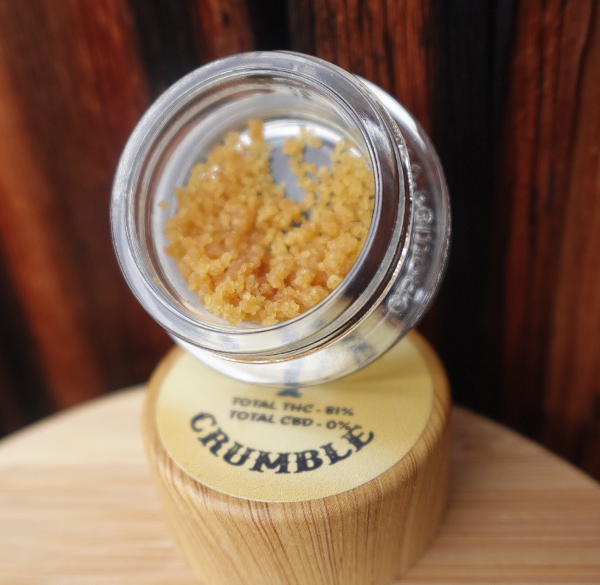
cured resin
What it is
Cured resin is a solvent-based cannabis concentrate (commonly hydrocarbon extraction such as butane/propane blends) produced from dried and cured flower. Because the plant material has completed drying and curing, cured resin often expresses a deeper, more “classic” cannabis aroma and flavor—earthy, gassy, spicy, or floral—depending on the cultivar.
How it behaves
Cured resin can naturally land in multiple textures depending on how it’s purged and handled (whipped, nucleated, or left to separate into sauce/crystals). It’s typically flavorful and potent, though terpene levels are often lower than live resin because some volatiles are lost during drying/curing.
What to expect (one line)
Rich, traditional “bud-forward” flavor with strong potency and a classic cannabis finish.
Products we make out of this type of wax
Dab concentrates (jars: badder, sugar, sauce, etc.)
Vape cartridges (when further processed for stability/flow)
concentrates
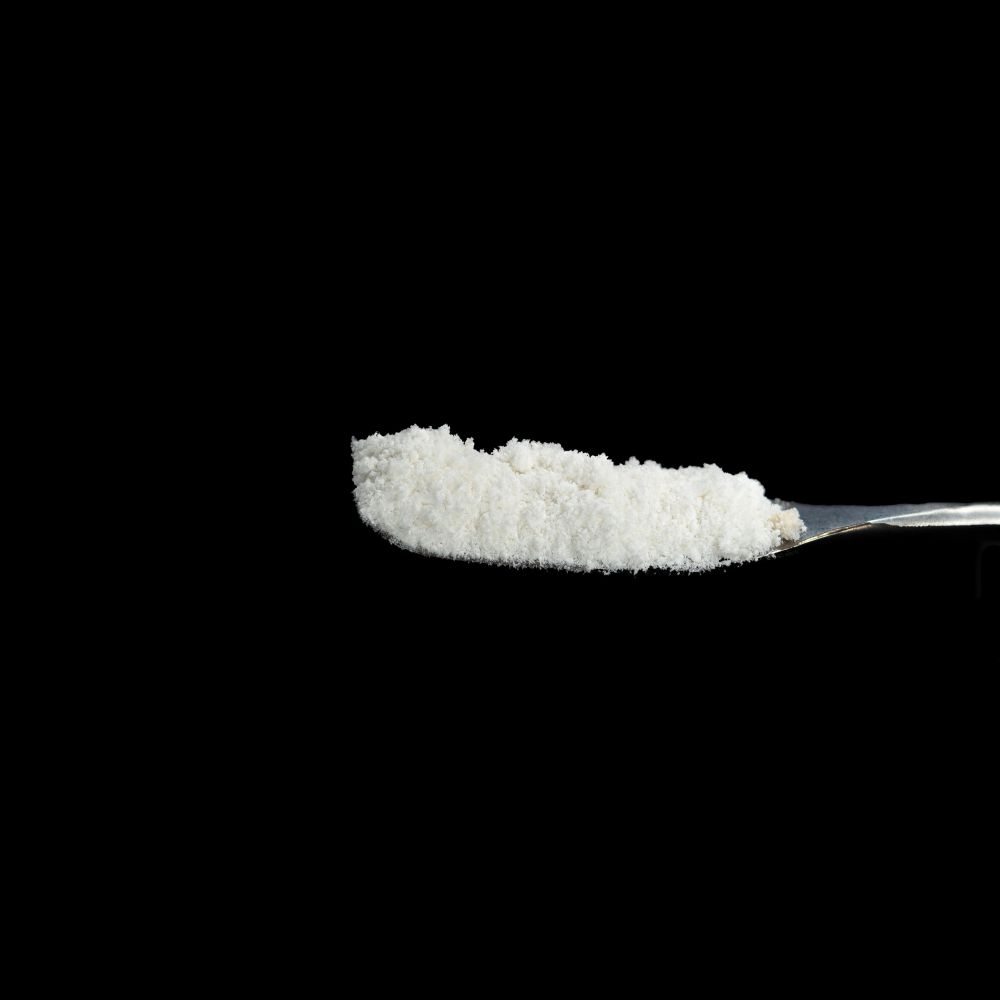
isolate
What it is
Isolate is a nearly pure single cannabinoid—most commonly CBD isolate, but also THC isolate (less common), CBG, CBN, and others. It appears as a crystalline powder and is prized for being flavorless/odorless (or close to it) with extremely consistent potency.
How it behaves
Because isolate contains almost no terpenes or secondary compounds, it’s ideal for products where you want clean taste and precise mg dosing. It dissolves well into fats and many carrier oils with proper mixing and temperature control, and it’s often used to build custom cannabinoid ratios.
What to expect (one line)
Clean, neutral, and consistent—ideal when you want effects without cannabis flavor.
Products we make out of this type of wax
Infusion concentrates

concentrates
live resin
What it is
Live resin is a concentrate made from fresh-frozen cannabis (frozen soon after harvest rather than dried/cured first). The goal is to preserve the plant’s most volatile aromatic compounds, often producing a brighter, “fresh plant” aroma and strong strain character.
Texture types (same category, different finish)
Badder/Budder: whipped, smooth, creamy, easy to scoop
Shatter: glass-like, snappy sheet; very stable when stored well
Sugar: grainy crystals in terp sauce; easy to portion
Diamonds: large THCA crystals suspended in terp sauce; high potency + loud aroma
How it behaves
Live resin is typically terpene-forward and aromatic. Some styles (notably diamonds) can crystallize and separate, which is great for dabbing but may require additional steps before use in products that need a stable oil.
What to expect(one line)
Bright, strain-forward aroma and “fresh plant” flavor with a premium, terp-heavy experience.
Products we make out of this type of wax
Dab concentrates (jars: badder, shatter, sugar, diamonds & sauce)
Vape cartridges (usually after decarb and/or viscosity/stability processing)
Syringes / dablicators (often decarbed first)
Edible infusions (gummies, chocolates, baked goods)
Infused pre-rolls (premium infused)

concentrates
distillate
What it is
Distillate is a highly refined cannabis oil where cannabinoids are concentrated into a consistent, high-potency fraction—most commonly THC or CBD. It’s known for its predictable potency and relatively neutral taste, and it’s frequently paired with terpenes (cannabis-derived or botanical, depending on regulations and brand positioning) to create specific flavor profiles.
How it behaves
Distillate is one of the most formulation-friendly inputs: it’s easy to dose, scales well, and performs consistently across large batches. Because it’s naturally low in terpenes, the final aroma/flavor is usually determined by added terpene blends or by blending with other flavorful extracts.
What to expect(one line)
High potency and consistency with a smoother, lighter flavor profile (often terp-enhanced).
Common product formats it can be made into
Vape cartridges / all-in-one disposables
Syringes / dablicators
Edible infusions (gummies, chocolates, baked goods)
Tinctures
Topicals
concentrates
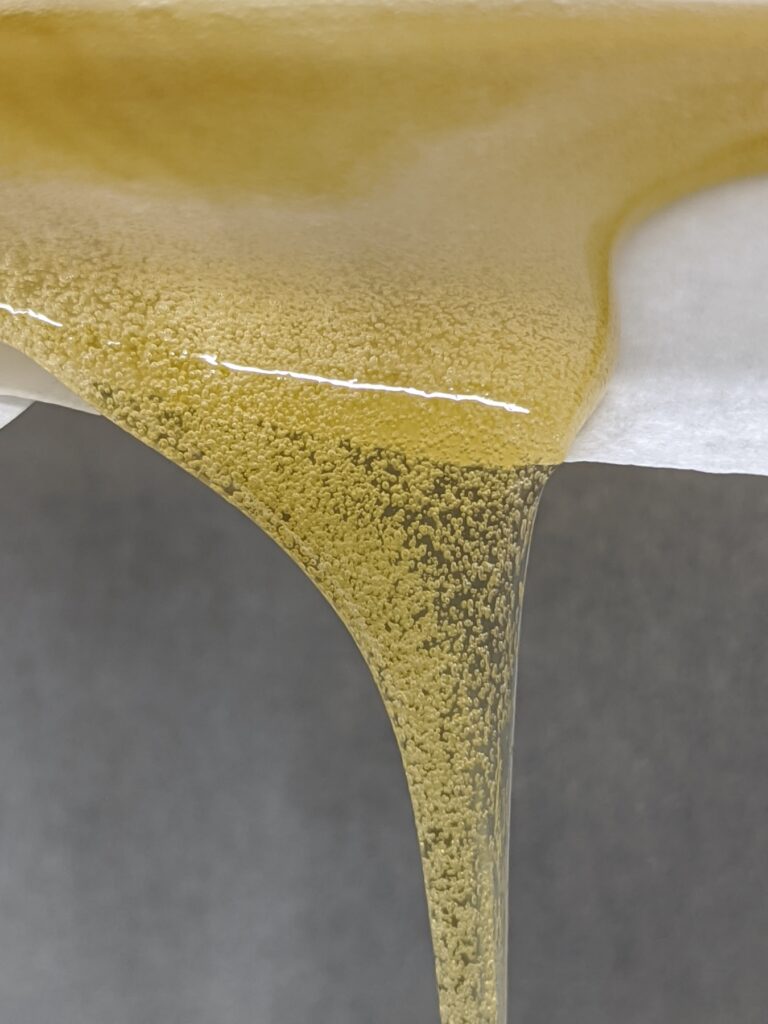
rosin
What it is
Rosin is a solventless cannabis concentrate made by applying heat and pressure to cannabis material to “press” out a resinous oil. Because no hydrocarbon or ethanol solvents are used in the extraction step, rosin is often positioned as a clean, craft-style concentrate. The final profile depends heavily on starting material quality and handling—rosin can be made from flower (flower rosin), dry sift/kief, or ice water hash (hash rosin), with hash rosin generally considered the most premium due to purity and flavor potential.
How it behaves
Rosin is naturally rich in cannabinoids and terpenes, but it’s also more sensitive to heat, oxygen, and time than many solvent-based concentrates. Texture can range from “fresh press” (sap-like and glossy) to “badder/budder” (whipped, creamy) depending on curing/whipping and storage. Some rosin can “budder up” over time, and terpene content can make it softer or more sauce-like, while lower terp content can make it firmer. Because it’s solventless and often minimally processed, rosin tends to show strong strain expression and a smooth, full-bodied flavor.
What to expect (one line)
Solventless, terp-forward flavor with a smooth, full-spectrum experience that highlights the strain’s true character.
Common product formats it can be made into
Dab concentrates (jars: fresh press, badder/budder, jam, sauce-style rosin)
Vape cartridges / disposables (typically “rosin carts” made with rosin formulated for hardware performance)
Infused pre-rolls (solventless infused options; interior infusion or exterior coating)
Infusions for edibles (premium “solventless infused” edibles; requires careful formulation)
Rosin is solventless (made with only heat and pressure), while live resin is typically solvent-based (commonly hydrocarbon extraction) using fresh-frozen material to preserve terpenes. In general, rosin is marketed for its clean, craft-style solventless appeal, while live resin is often chosen for bold flavor and consistency at scale—both can be highly terp-forward, but they get there through different processes.